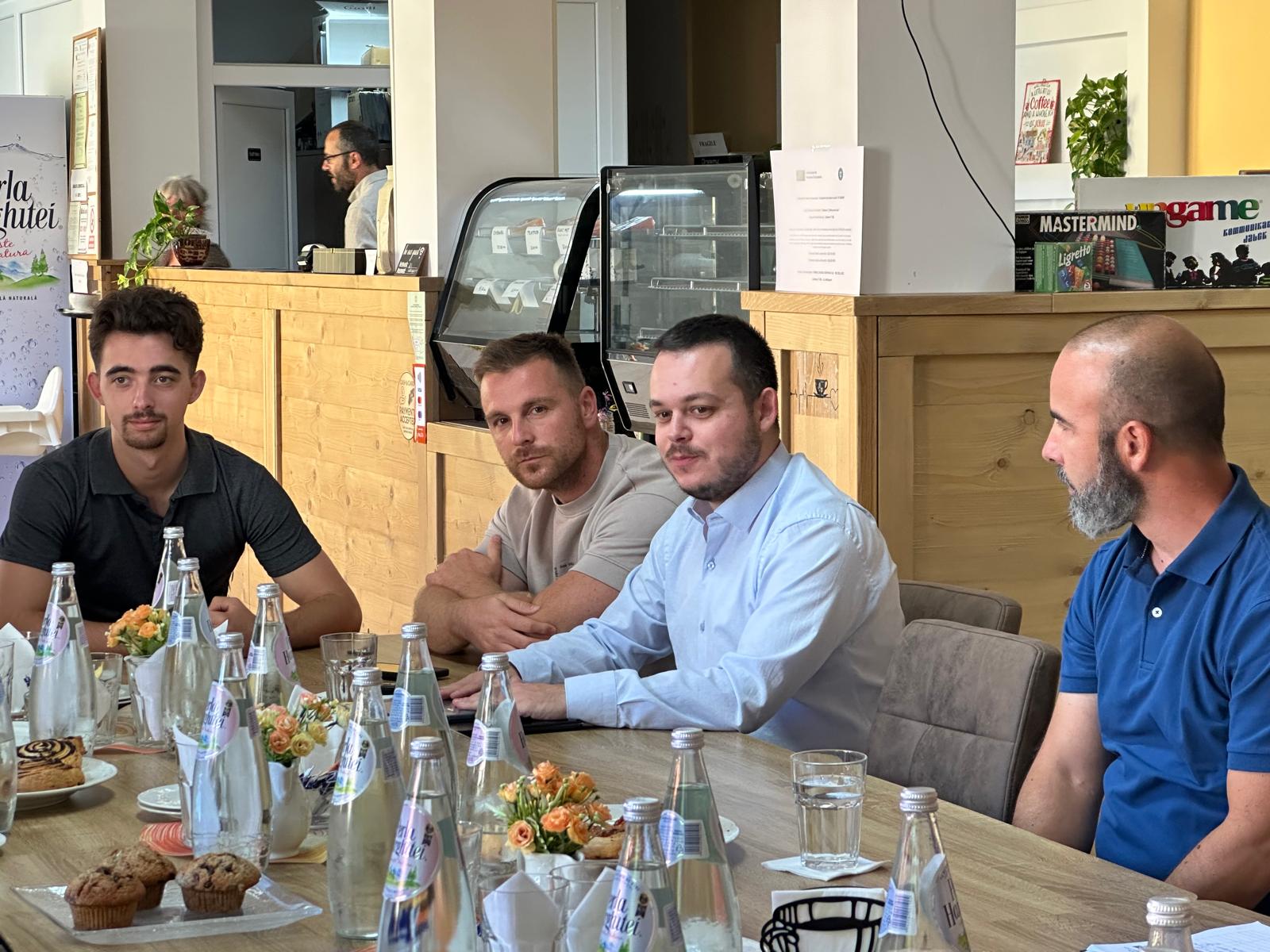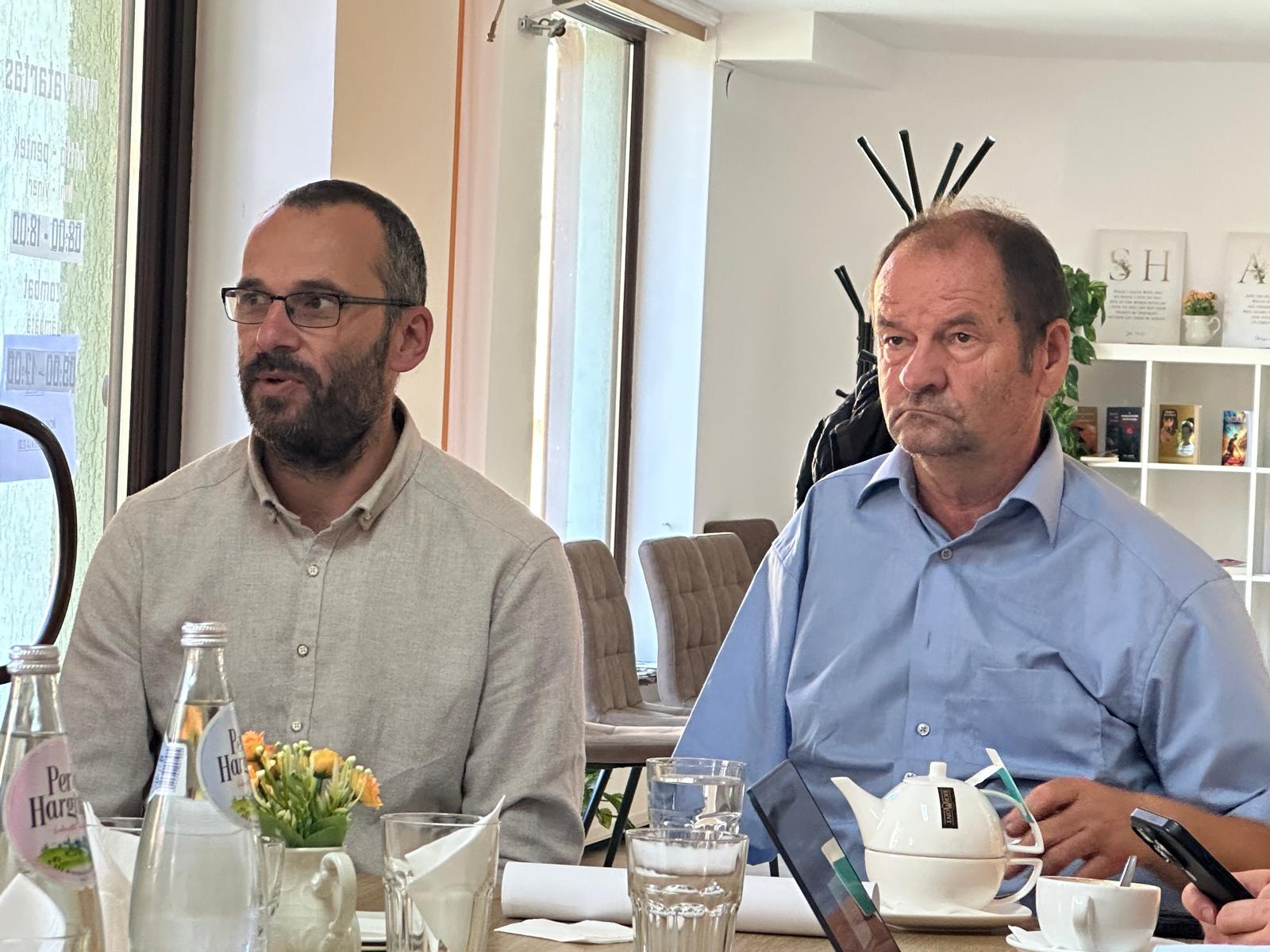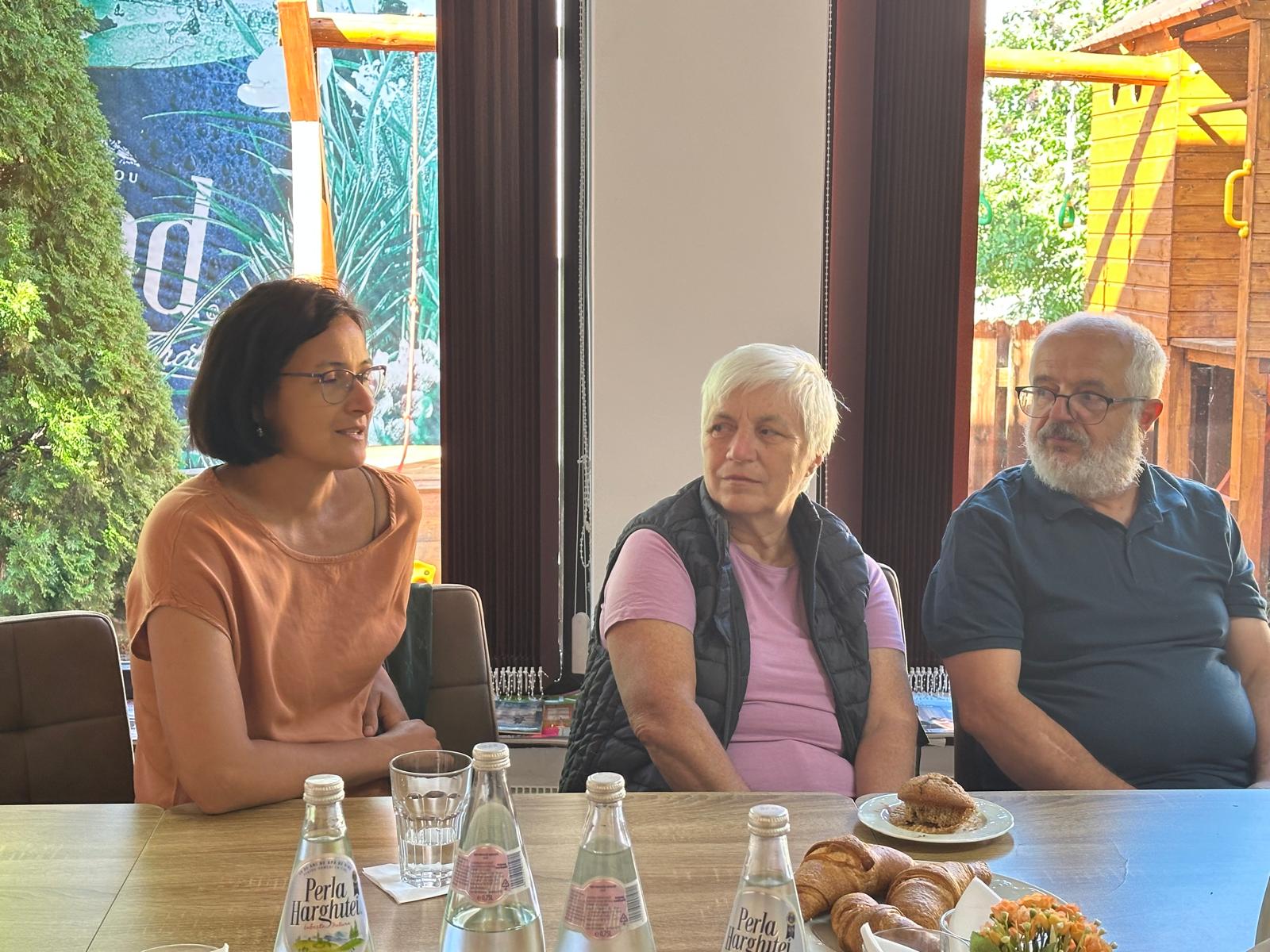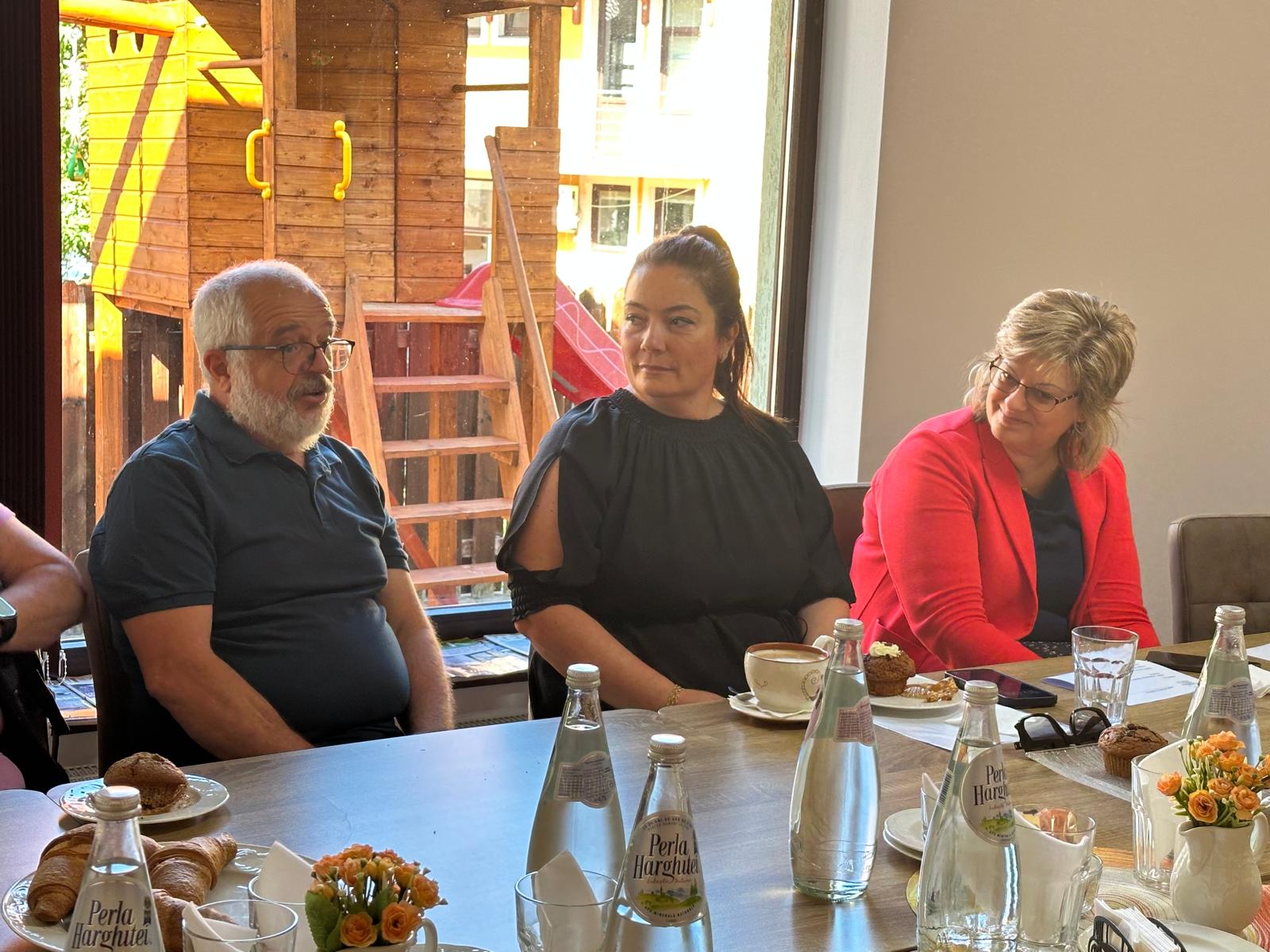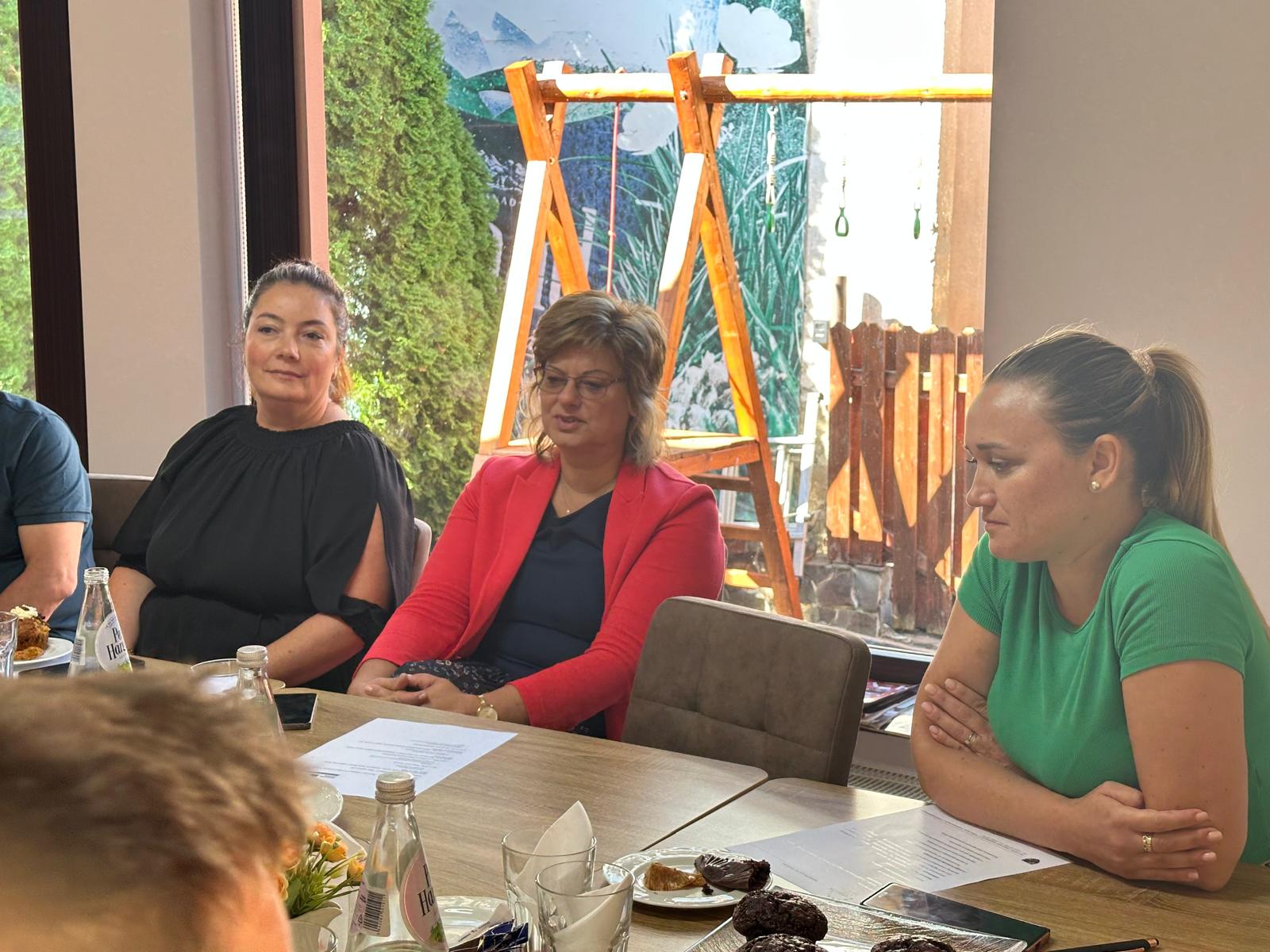


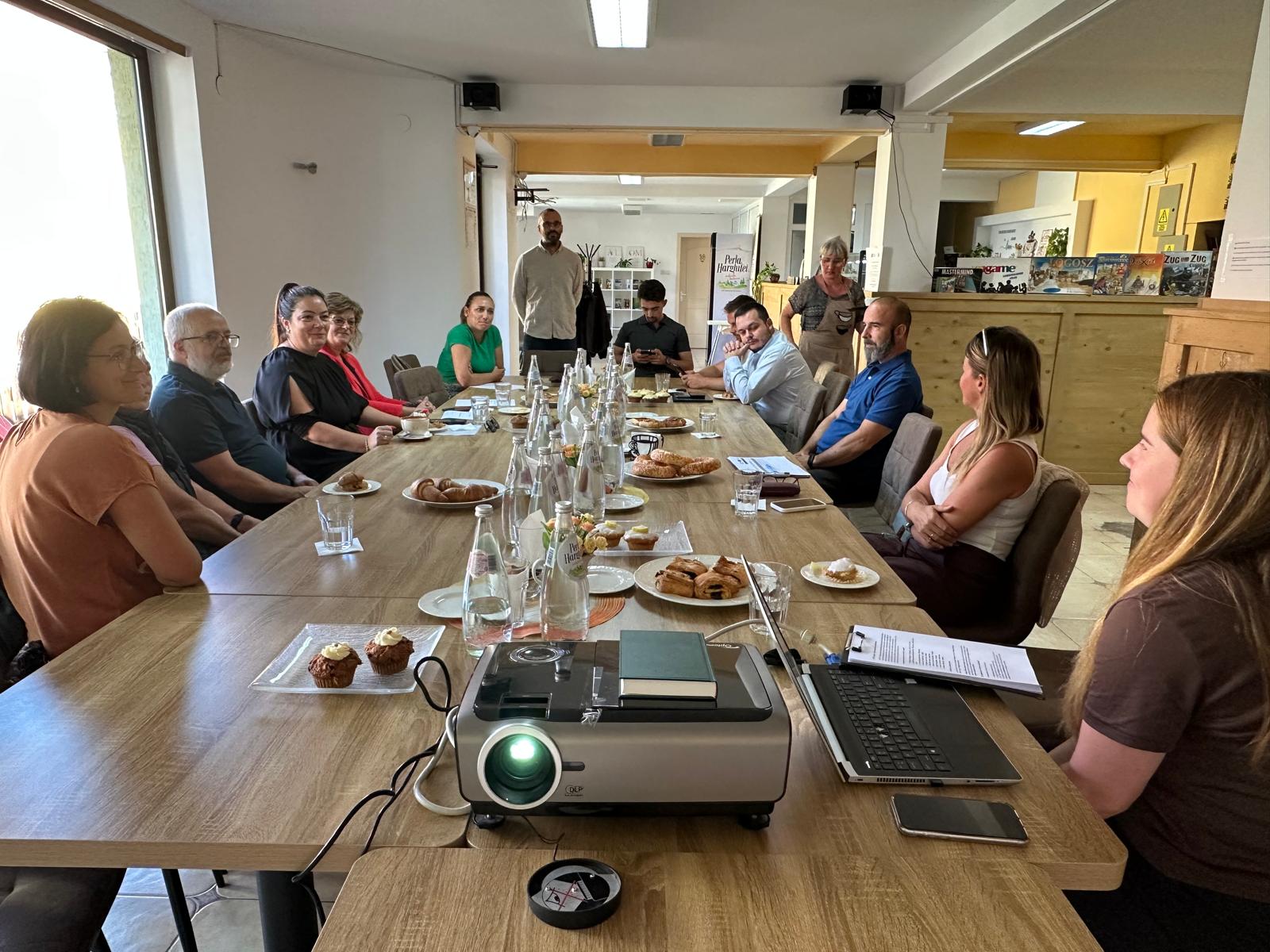
Miercurea Ciuc, 28 August 2026 – A stakeholder meeting was held in Miercurea Ciuc to discuss the state of the social economy in Harghita County, its development in recent years, and the possibilities of applying European experiences at the local level, within the framework of the SECON – Social Economy – Regional Policies for Supporting Social Economy Enterprises project. The event was hosted by the Kettőspont Milk Bar and Café.
The SECON project is implemented through the cooperation of ten organizations from nine European countries and aims to improve policy instruments supporting the social economy through interregional exchange of experience, research, and best practices. Among its objectives are increasing the visibility of social enterprises, improving access to funding and public procurement opportunities, providing professional support to enterprises, and strengthening their role in the green and digital transition.
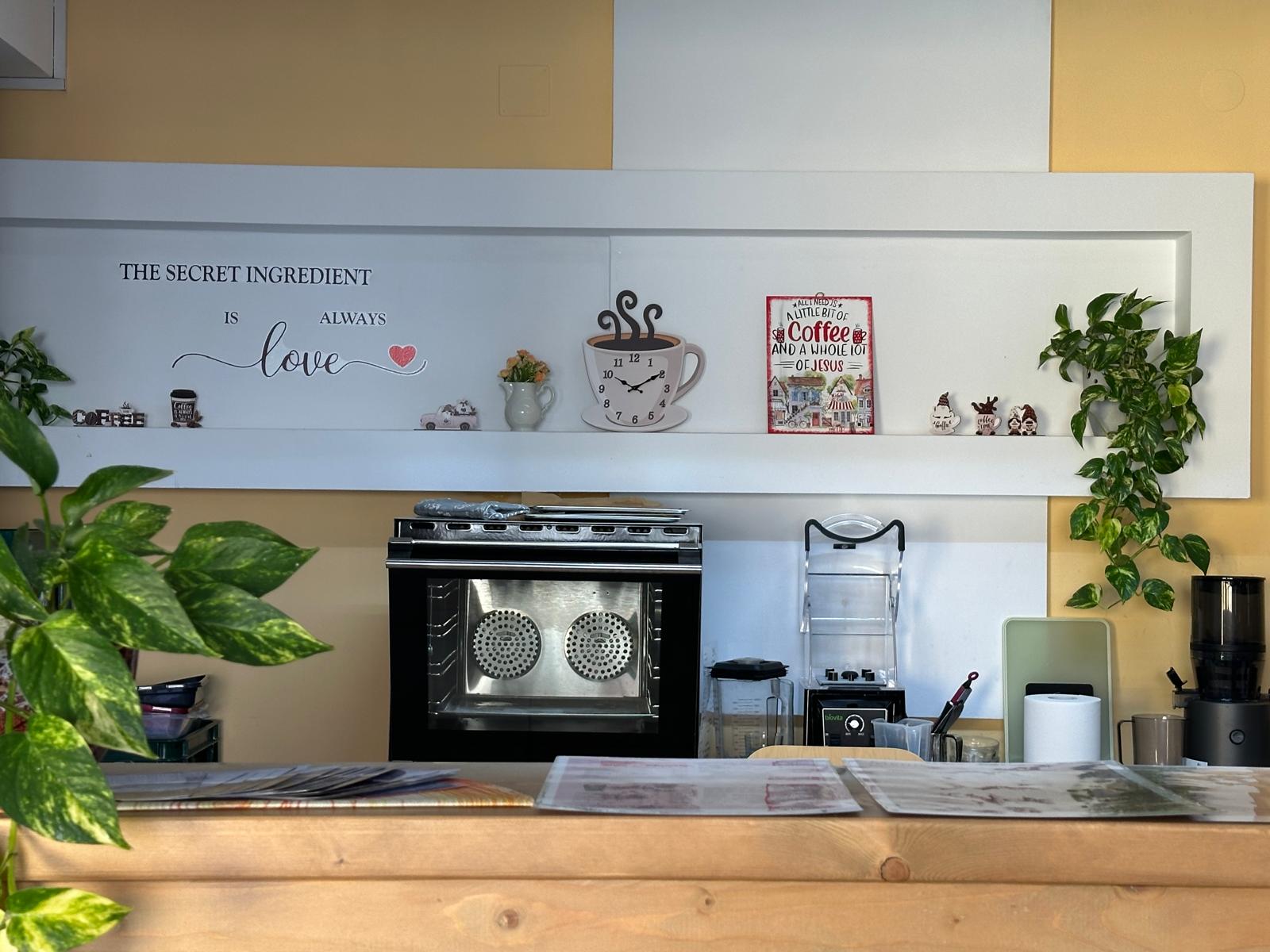
The venue of the meeting, the Kettőspont Milk Bar and Café, is itself a good example of a social enterprise. The café, opened in February 2026, was established by a couple from Miercurea Ciuc with the aim of creating a family-friendly place in the city where parents with small children can feel comfortable. The business was established with €61,000 in European Union funding and currently provides jobs for four people, including disadvantaged individuals. Kettőspont is not only a hospitality venue but also plays an important role as a community space: it regularly hosts events, lectures, and various community programs, primarily targeting families with young children and mothers. In recent months, the venue has hosted baby–mother programs, craft workshops, and community events, and plans include thematic evenings, discussions, and film screenings. The project funding covers operating costs until October 2026, after which the enterprise must ensure sustainable operation from its own revenues. As part of its operating model, 90 percent of the profit is reinvested in social purposes.
At the meeting, Árpád Csiszer, representative of the Right Association, presented best practices learned at the SECON international meeting in Mannheim. Among these, he highlighted the German initiative Das andere SchulZimmer (“The Other Classroom”) as particularly interesting and potentially applicable for the Right Association. The Mannheim program supports young people who have dropped out of school or are in difficult life situations by providing personalized, out-of-school learning opportunities. The initiative started in 2018 with limited funding and volunteer work, and later built its operations through private donations, corporate and community support, public funding, and foundation resources. Over seven school years, it contributed to 113 successful school qualifications, achieving a 97 percent success rate.
The German example is also close to the vision of the Right Association because it creates opportunities for supporting, developing, and socially integrating disadvantaged target groups through a concrete activity. This approach may also be relevant for the sewing workshop planned by the Right Association.
Another key topic of the meeting was the significant increase in the number of social enterprises in Harghita County. According to data presented by Árpád Cilip and Cristian Gligor, representatives of the Pro Siculi Development Association, there were 16 social enterprises in 2022, 27 in 2023, 27 in 2024, and already 95 in 2025. This growth was largely supported by funding calls launched in recent years to support social enterprises, which encouraged the establishment of new businesses and the development of the sector. Under the most recent call in Harghita County, 11 grant contracts were signed, supporting seven urban and four rural enterprises.
Currently, 106 social enterprises hold valid status in the county. According to data presented in 2026, out of the 95 enterprises, 92 submitted their annual report for 2025. In total, 118 social enterprises had status, of which 11 had their status withdrawn at their own request or due to failure to submit the annual report, while one enterprise’s status expired and was not renewed. This resulted in the current total of 106 social enterprises with valid status.
According to participants, the social economy in Harghita County has undergone significant development in recent years, supported in part by funding calls for social enterprises. However, alongside the growth in the number of enterprises, it is also important to promote a broader understanding of the concept and real social role of the social economy. It is essential that the term “social” does not merely refer to a business model, but that it is understood that these enterprises, in addition to their economic activities, serve social or community purposes and contribute to the employment of disadvantaged people, the strengthening of local communities, and the addressing of social challenges. With the increasing number of enterprises, cooperation and exchange of experience are becoming increasingly important: there is a need for a community and regular meeting opportunities where social enterprises can share their experiences, challenges, and effective solutions.
One of the key conclusions of the stakeholder meeting in Miercurea Ciuc is that, alongside the growth in the number of social enterprises, there is a need for a forum that facilitates cooperation and the sharing of experiences, which is increasingly important. It is essential for social enterprises to maintain connections with each other, share good practices, and jointly seek solutions to emerging challenges. This aligns well with the objectives of SECON, which supports interregional exchange of experience and the sharing of best practices.